
Get The Best eSIM Data Plan For Travel Without Hidden Fees
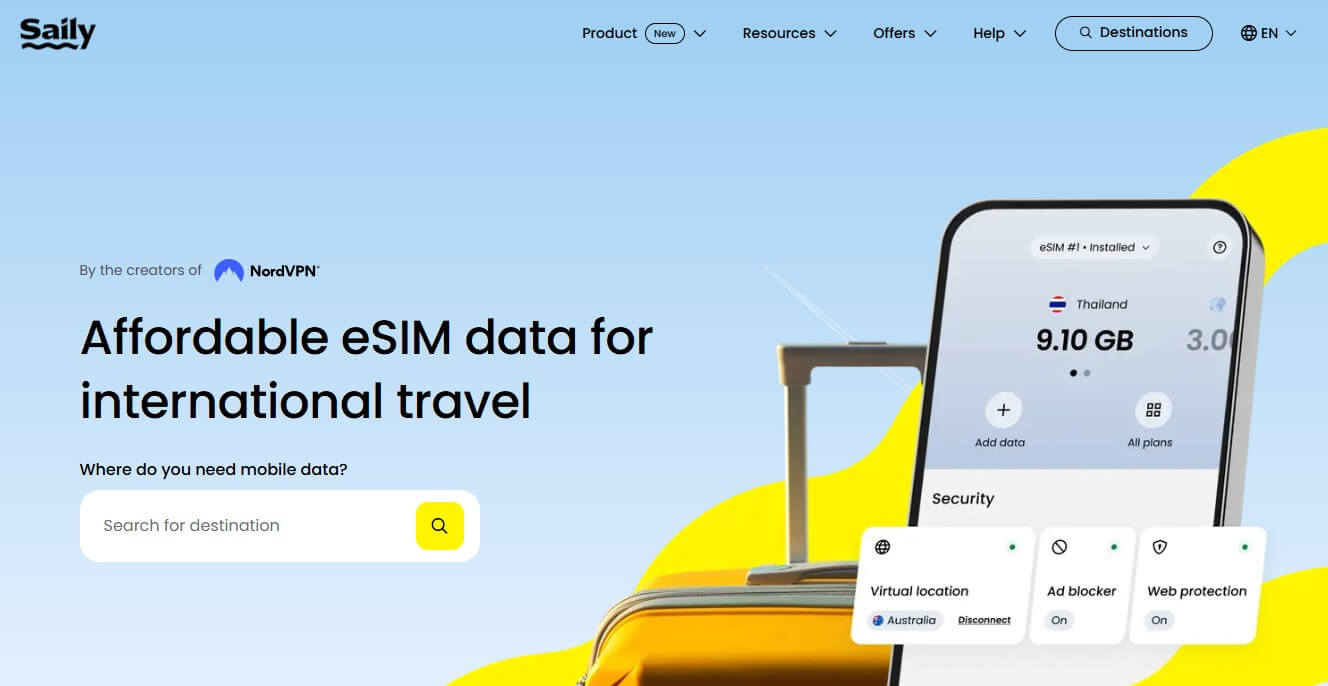
An eSIM data plan is a fully digital alternative to a physical SIM card, storing your network profile directly on your device’s chip. It works by downloading a carrier’s profile, which you can activate instantly without needing a plastic card. This allows you to switch between multiple data plans on a single device, offering immediate connectivity upon purchase and installation.
Understanding the Shift: What Makes Embedded SIMs Different
The core shift with an embedded SIM is that your data plan is no longer tied to a physical card you slot in. Instead, an eSIM is a tiny chip soldered inside your device, allowing you to switch or activate a data plan remotely by scanning a QR code or using an app. This makes it fundamentally easier to try out a local data plan when traveling, as you don’t need to find a store or swap SIMs. For daily use, it means you can manage multiple data plans on one phone simultaneously, like keeping your home number active for calls while using a cheaper local eSIM data plan for heavy browsing. This shift essentially transforms your phone’s connectivity from a locked-in hardware choice to a flexible, software-driven service, making plan management as simple as adding a contact.
How Your Device Connects Without a Physical Card
Instead of fumbling with a plastic card, your device uses a tiny, soldered-in chip that securely holds your network credentials. When you purchase an eSIM data plan, you simply scan a QR code or download a profile via an app. This digitally writes the carrier’s information onto the chip, instantly authenticating your device on the mobile network. The connection is established over-the-air, not through physical insertion. This process is the core of remote SIM provisioning, making the switch between carriers as fast as changing a Wi-Fi network. Q: How does the chip know which network to join without a card? A: The downloaded profile contains a unique digital key that speaks directly to the carrier’s tower, telling it exactly who you are.
The Real Difference Between Traditional SIMs and This New Tech
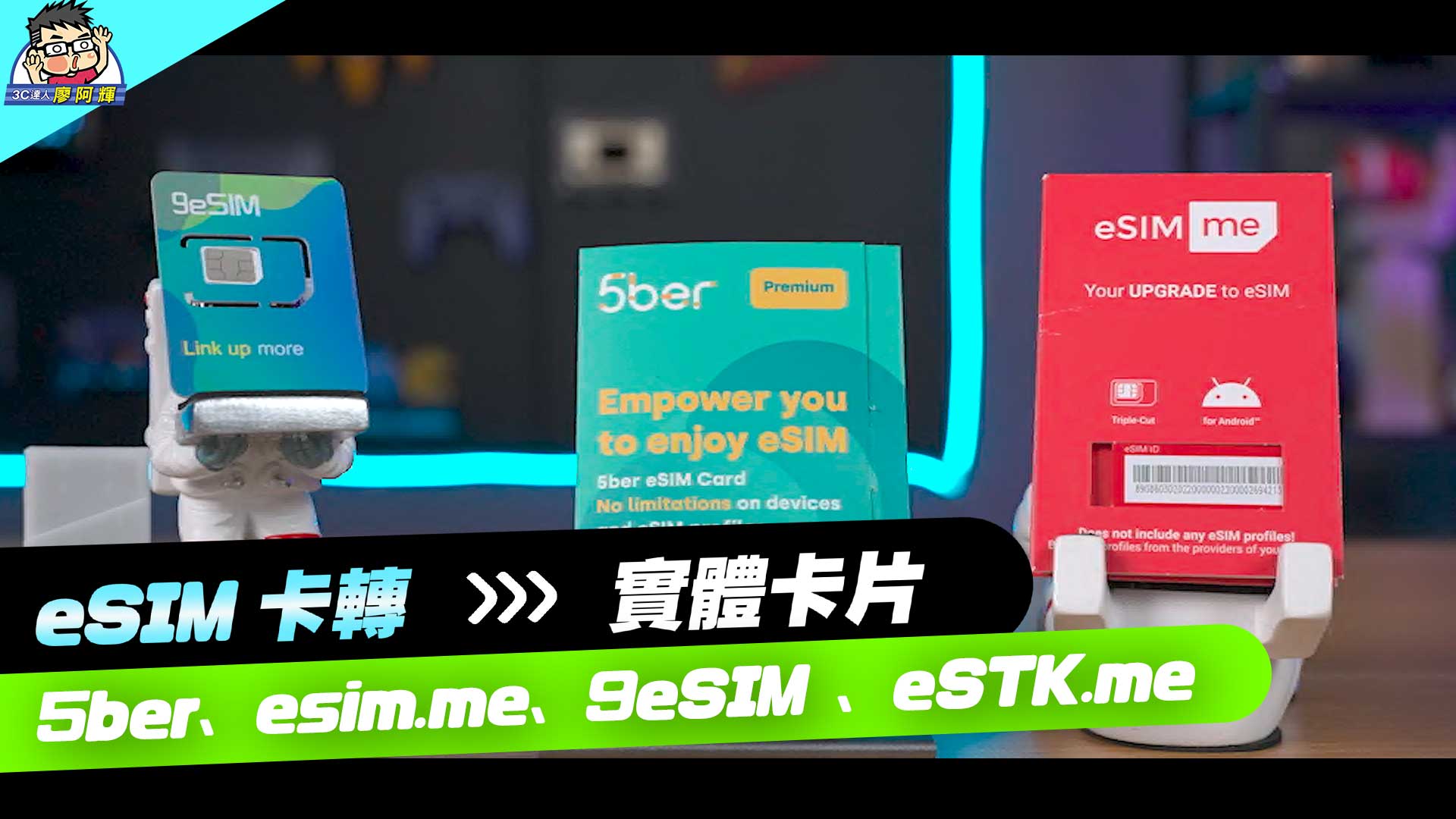
The real difference between traditional SIMs and embedded SIMs lies in physical versus digital management. A traditional SIM is a removable plastic card that tethers your device to one carrier until you physically swap it. In contrast, an eSIM is a soldered chip that allows you to switch data plans entirely through software. For an esim data plan, this means you can purchase, activate, and change a mobile subscription remotely without waiting for a physical card. The core distinction is direct over-the-air provisioning, which eliminates the need for a physical swap, enabling instant plan switching and multiple profiles on one device.
Which Gadgets Support This Embedded Technology
The latest flagship smartphones from Apple, Samsung, and Google now embed eSIM as standard, with Apple’s US models ditching physical trays entirely. Beyond phones, premium smartwatches like the Apple Watch Ultra and Samsung Galaxy Watch 6, plus cellular iPads and select Windows laptops, integrate this technology for direct eSIM data plan connectivity without a slot. Even travel routers like the GlocalMe support eSIM, letting you switch carriers instantly across gadgets.
From iPhones and Galaxies to smartwatches and tablets, embedded eSIM technology lives in devices designed for digital carrier switching without a physical card.
Getting Started: Your First Digital Profile Setup
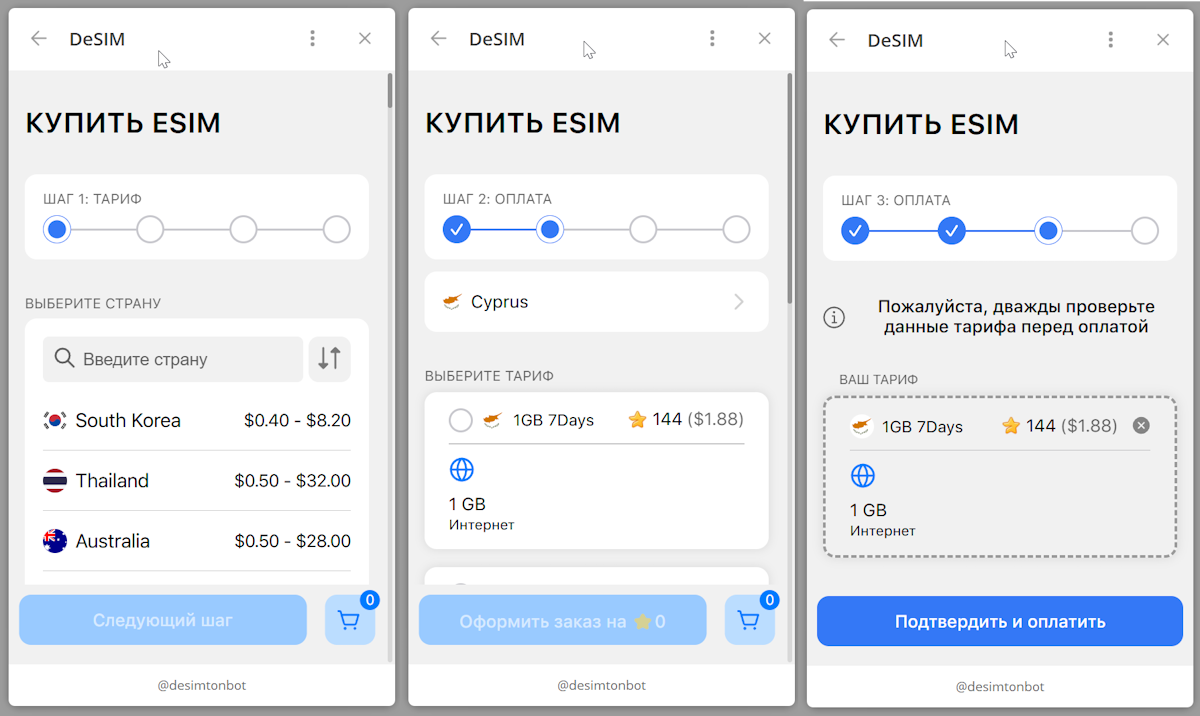
To begin your digital profile setup for an eSIM data plan, first ensure your device is unlocked and eSIM-compatible. Purchase a plan from a provider, then scan the QR code sent via email or install the provider’s app to automatically download your profile. Activate the profile in your device settings under “Cellular” or “Mobile Data.” Some carriers require you to complete activation only when connected to Wi-Fi. After setup, label your new line (e.g., “Travel Data”) and set it as your default for cellular data. This profile is stored digitally and can be deleted or switched without a physical SIM swap.
Scanning a QR Code to Activate Service Instantly
Once you buy your eSIM data plan, you’ll get a QR code via email. Simply open your phone’s settings, head to the cellular or mobile data section, and select “Add eSIM.” Point your camera at the QR code—it takes just seconds to scan. After confirming the profile, your service should turn on instantly. No waiting for a physical SIM to arrive. Follow this simple sequence for a smooth instant eSIM activation:
- Open your phone’s Settings app.
- Tap “Cellular” or “Mobile Data,” then “Add eSIM.”
- Scan the provided QR code with your camera.
- Confirm the profile prompt—service activates immediately.
Choosing a Provider That Fits Your Travel or Daily Needs
When selecting your first provider, always match the plan to your primary use case. For frequent travelers, prioritize providers offering global coverage with local network partnerships to avoid roaming gaps. Daily users should look for a carrier with affordable long-term plans and reliable city-wide data speeds. Evaluate if they support auto-top-up to prevent service drops. Check compatibility with your specific device eSIM profile, not just in general. Ultimately, the right provider is one whose core strengths—whether regional reach or stable home performance—directly solve your connectivity need.
- Ensure the provider’s primary coverage map includes your specific travel destinations or daily commute routes.
- Compare data speeds and latency guarantees, especially if you use video calls or navigation regularly.
- Confirm provider supports manual network selection to avoid getting locked onto a weak signal.
Installing Multiple Plans on One Device for Flexibility
Installing multiple plans on one device eliminates the need to swap physical SIMs for different regions or carriers. When setting up your first digital profile, add a primary eSIM for your home network, then install a secondary travel plan from a local provider. This dual setup lets you switch data sources in your device’s settings seamlessly. For optimal flexibility, manage profiles for diverse connectivity by following this sequence:
- Activate your main eSIM with default data access.
- Scan a QR code for a backup plan from a second carrier.
- Label each profile clearly to toggle between work and leisure coverage.
This approach ensures you always have a fallback if one network fails.
Top Reasons Travelers Are Switching to Remote Connectivity
Travelers are ditching physical SIMs for eSIM data plans to skip the hunt for local vendors at airports. The biggest draw? You can buy and activate a plan online before you even board, landing with instant data. No fumbling with tiny cards or worrying about losing your primary SIM. You keep your home number active for calls and 2FA while a separate eSIM handles cheap data. Roaming fees vanish because you switch to local networks at local prices. If your trip changes, you just buy another regional eSIM in minutes—a lifesaver when plans go sideways.
Avoiding Roaming Fees with Local or Regional Profiles
Switching to an eSIM data plan lets you bypass carrier roaming fees by installing a local or regional profile that connects directly to in-country networks at local rates. Instead of paying daily roaming charges for your home plan’s international pass, you purchase a prepaid eSIM profile for your destination—often for as little as a few dollars. This profile uses local towers, so you pay local prices for data, calls, and texts. Some travelers keep their home number active for emergencies while routing all data traffic exclusively through the cheaper local profile. The result is predictable, low-cost connectivity without surprise bills or activation hassles.
Avoiding roaming fees means installing a local or regional eSIM profile that gives you local rates abroad, eliminating expensive daily pass charges.
Keeping Your Home Number Active While Abroad
Keeping your home number active while abroad is straightforward with an eSIM data plan, as you maintain your physical SIM for calls and texts. You simply enable the eSIM for mobile data and disable the physical SIM’s data roaming to avoid steep charges. This setup lets you receive verification codes and calls from back home without swapping cards. For long trips, forward your home number to a VoIP service or a local virtual number linked to your eSIM. Dual SIM functionality ensures seamless access to both lines, with your home number reachable for banking and emergency contacts.
| Action | Benefit for Home Number |
|---|---|
| Disable data on physical SIM | Prevents surprise roaming fees |
| Keep physical SIM active | Receives SMS for 2FA |
| Forward to VoIP number | Answers calls over eSIM’s data |
Switching Between Networks Without Hunting for a Store
Switching between networks without hunting for a store is a defining advantage of an eSIM data plan. Travelers no longer waste precious vacation time locating a physical shop and queuing for a plastic SIM. Instead, they simply access their device settings to instantly compare and select a new local carrier with better signal. This on-demand flexibility means you can always prioritize speed and reliability, whether you are moving between countries or just into a coverage dead zone. Seamless carrier switching eliminates downtime and expense, putting full control in your hands. Q: Can I switch networks mid-trip without losing my remaining data? Yes, eSIMs allow you to purchase a new data plan from a different provider while keeping your current balance active until you manually deactivate it.
Comparing Costs: Is This Option Cheaper Over Time?
When comparing costs for an esim data plan, the upfront price per gigabyte is deceptive. A traditional SIM might offer a cheap weekly tourist pass, but an eSIM often becomes cheaper over time if you travel frequently. You avoid physical roaming surcharges from your home carrier and can switch to local eSIMs instantly, eliminating the cost of multiple physical SIM purchases. Additionally, long-term or multi-region eSIM plans often have lower per-GB rates than buying short-term packs repeatedly. For non-frequent travelers, however, the minimal savings may not justify the setup.
Prepaid vs. Postpaid: Which Billing Model Saves You More
For eSIM data plans, prepaid billing saves you more if your usage is variable or travel-focused, as you pay only for a fixed data cap with zero overage risk. Postpaid plans, conversely, lock you into a recurring monthly fee that often includes unlimited data, which is wasteful if you consume under 10GB. However, a postpaid plan can be cheaper per gigabyte if you consistently use over 30GB monthly, since carrier bulk pricing reduces the unit cost. Table below illustrates the cost tipping point based on average data needs.
| Scenario | Prepaid eSIM | Postpaid eSIM |
|---|---|---|
| Light use (2–5 GB/mo) | $5–$10 | $15–$25 (overpay) |
| Heavy use (30+ GB/mo) | $40–$60 (capped) | $30–$50 (uncapped) |
Hidden Fees to Watch For When Purchasing These Plans
When comparing eSIM costs, watch for activation or “connection” fees that inflate the first month’s bill. Additionally, some providers charge for top-up refills or impose strict expiration dates, turning a cheap plan into a waste. Beware of hidden data throttling, where unlimited plans slow speeds drastically after a small usage cap. Always read the fine print on auto-renewal, as failing to cancel can trigger expensive, full-price cycles.
Q: What is the most common hidden fee in eSIM plans?
A: Activation fees and throttling after a low data threshold are the most frequent traps.
Bundled Deals That Include Voice and Text Alongside Data
When you’re comparing costs, bundled deals that include voice and text alongside data can sometimes be cheaper over time than buying a data-only eSIM plan plus a separate voice app. If you make frequent calls or need a stable local number, one all-in-one bundle avoids the hassle of juggling multiple services. Check the plan’s local call rates, as some bundles cap voice minutes to keep the price low.
- No need for a second VoIP subscription for basic calls.
- Unlimited texts often come free in the bundle.
- Voice minutes may roll over if you don’t use them all.
- Usually includes a dedicated phone number for two-factor authentication.
Security Considerations You Should Know About
When using an eSIM data plan, your primary security consideration is preventing unauthorized profile transfers. Unlike a physical SIM, an attacker could potentially scan a QR code or exploit a compromised account to install your eSIM on their device. Always enable multi-factor authentication on your carrier account to block this. Also, if your phone is lost or stolen, immediately use the provider’s portal to remotely deactivate the eSIM data plan, as it cannot be physically removed. Avoid scanning eSIM QR codes from unsolicited emails, and treat your eSIM’s activation code like a password—never share it. For travel eSIMs, use a dedicated secondary profile to isolate your primary number from potential backend vulnerabilities.
How Remote Provisioning Protects Your Connection
Remote provisioning cuts out physical SIM swapping, a major vector for SIM-swap attacks that hijack your number. With an eSIM, your profile is encrypted and downloaded directly to your device’s secure element, meaning dynamic credential injection occurs over the air without exposing your identity to a physical card. This process uses end-to-end encryption and mutual authentication between your device and the carrier, so only your authorized device can install the profile. If your eSIM is lost or compromised, remote provisioning lets you instantly re-download or delete the profile, locking out attackers.
- Eliminates physical SIM interception and cloning risks
- Uses carrier-grade encryption during profile download
- Enables instant remote lock or deletion if connection is compromised
What Happens If Your Phone Is Lost or Stolen

If your phone with an eSIM data plan is lost or stolen, you can immediately act to secure your account. Remotely logging into your carrier’s app or website lets you deactivate the eSIM profile, cutting off data access instantly. Unlike a physical SIM, there is no card for a thief to remove and swap into another device. You can then quickly obtain a new eSIM QR code or download a profile to your replacement phone, often restoring service within minutes. This process ensures your data remains uncompromised, while a thief is left with a locked, unusable device. Remote eSIM deactivation is your critical first step to regain control and prevent unauthorized usage.
When your phone is lost or stolen, you can remotely deactivate the eSIM, preventing data https://baztel.co/esim-plans/esim-uk theft, and quickly reinstall your plan on a new device—a seamless, secure recovery process.
Managing Privacy with Temporary or Secondary Lines

Managing privacy with an eSIM data plan is effectively achieved by using temporary or secondary lines for specific, high-risk activities. These lines provide a disposable digital identity for account verifications or short-term travel, preventing your primary number from being exposed to spam or data breaches. This separation requires remembering which eSIM profile is linked to which service to avoid accidental cross-contamination of personal data.
Q: Can a temporary eSIM line prevent a data broker from linking my activities across different apps?
A: Yes, using a distinct secondary line for each separate service—like shopping versus social media—creates isolated data trails, making cross-platform profiling significantly more difficult.
Managing Multiple Lines for Work and Personal Use
Managing multiple lines for work and personal use is where eSIM data plans truly shine, letting you carry one phone but operate two separate digital identities. You can keep your work number active for emails and Slack while your personal line handles family group chats, all without swapping physical SIMs. The trick is assigning your primary eSIM for the always-on data plan, then using the second eSIM solely for calls and texts from your other number.
A key insight is to set your work eSIM’s data to “low data mode” so it stops background apps from burning your personal plan’s allowance.
This setup keeps your work alerts buzzing without interrupting your personal streaming, and you can toggle each line’s visibility in iMessage or WhatsApp per contact.
Setting Separate Contacts and Apps for Each Profile
With an eSIM data plan, you can assign dedicated contacts and specific apps to each profile, ensuring work calls never interrupt personal downtime. For a clear setup, follow this sequence:
- Activate your secondary eSIM profile in your phone’s settings.
- Go to your contacts app and assign default SIM lines to individual contacts, like your boss using the work line.
- Open app settings and link messaging, email, or calendar apps exclusively to your work or personal eSIM profile.
This dual-profile contact management keeps your personal messages separate from urgent business notifications. Even shared apps like WhatsApp can be duplicated for each line on supported phones.
Switching Active Plans Through Your Phone Settings
Switching active plans through your phone settings for an eSIM data plan is a straightforward process. On iOS, navigate to Settings > Cellular, then tap the desired line and select “Turn On This Line.” Android users open Settings > Network & Internet > SIMs, then tap the eSIM to toggle it as the primary data source. This allows instant toggling between a work and a personal eSIM without swapping physical cards. Ensure the primary data line is correctly designated to avoid unexpected charges, as active plans consume data independently.Data source selection is the key control point.
Switching active plans is done via phone settings by toggling between eSIMs, designating which line handles data, calls, or messages without swapping cards.
Using One Device as a Global Travel Companion
By activating a travel eSIM data plan, your single phone becomes a seamless global companion, eliminating the need to juggle physical SIMs or rent hotspots. You maintain your work number on the primary line while adding a local data eSIM for navigation, translation, and instant connectivity abroad. This dynamic dual-SIM setup ensures you never miss a business message while using mapping apps for personal exploration. Global travel companion utility hinges on preloading the eSIM before departure, then toggling data source in settings upon arrival. Is it hard to switch data between lines mid-trip? No, most phones let you swap the active data line in seconds under Cellular Settings, keeping your home number live for calls.
Troubleshooting Common Activation and Connection Issues
When your eSIM data plan refuses to activate, first verify that your device’s carrier settings are updated — a simple restart often resolves this. If the eSIM profile downloads but fails to connect, manually select your network operator under cellular settings to force a connection. For persistent “No Service” errors, delete and reinstall the eSIM profile from your provider’s app or QR code. An often-overlooked fix is ensuring your phone isn’t locked to a previous carrier, which blocks eSIM provisioning entirely. Sometimes, simply toggling airplane mode on and off resets the connection more effectively than rebooting. If data works but feels sluggish, check that data roaming is enabled and that your APN matches the plan’s exact specifications.
What to Do When Your Profile Won’t Download
When your eSIM data plan profile won’t download, first ensure a stable Wi-Fi connection is active, as cellular data may be unavailable during initial setup. Force-close your device’s settings app, then retry scanning the QR code or entering the activation code. If the failure persists, restart your smartphone to clear temporary network caches. A manual profile installation via your carrier’s app often bypasses automated errors. Finally, verify that your device isn’t locked to another carrier.
Q: Why does my eSIM profile fail to download repeatedly? A: Common culprits include expired activation links (valid 24-48 hours) or a blocked server port; request a fresh QR code from your provider and toggle Airplane Mode on/off for 30 seconds before retrying.
Fixing Slow Speeds After Switching Carriers
Slow speeds after switching carriers with an eSIM data plan often stem from incorrect network configuration on your device. To resolve this, first ensure your device’s APN settings are manually updated to match the new carrier’s exact specifications, as auto-detection can fail. Next, toggle airplane mode for 15 seconds to force the eSIM to re-register on the optimal tower. If speeds remain slow, run a manual network search via settings and select the carrier’s recommended band, avoiding roaming profiles. For persistent issues, consider reinstalling the eSIM profile entirely.
- Update APN settings to match the new carrier’s data fields precisely.
- Restart the device or toggle airplane mode to reset the network registration.
- Manually select the correct network band in mobile network settings.
- Delete and re-download the eSIM profile from the carrier’s portal.
Resolving Conflicts Between Two Active Lines
When two active lines clash, your eSIM data plan may default to the wrong one for internet, causing conflicts. **Prioritize your data line** in device settings by assigning the eSIM as the primary data source. Physically disabling the other line’s mobile data prevents automatic switching errors. If calls on one line interrupt data on the other, enable “Allow Cellular Data Switching” to maintain connectivity. Manually verify each line’s APN settings; mismatches can force one line to hijack traffic. Q: How do I stop my physical SIM from overriding eSIM data? Go to Settings > Cellular, select your physical line, and toggle “Data Roaming” off—this locks the eSIM as the active data carrier.
Future Trends: How This Technology Is Evolving
The evolution of eSIM data plans is moving toward hyper-personalized, real-time network switching. Future plans will leverage dynamic carrier aggregation, allowing your device to seamlessly combine multiple local networks for optimal speed, not just fallback connectivity. This eliminates the need to manually select regional profiles; your plan will automatically stitch together the strongest 5G bands from different providers within a single, unified data bucket. You will soon top up gigabytes dire ctly from your device’s system settings, with AI predicting your usage patterns to pre-purchase cost-effective, zone-specific bundles before you cross a border. Expect plans to offer “data pooling” across multiple devices on your account without physical SIM swapping, all managed through a single, integrated eSIM dashboard.
Expanding Compatibility Across More Devices
As eSIM technology evolves, expanding device compatibility is moving beyond smartphones into laptops, tablets, smartwatches, and even IoT gadgets. This shift means you can activate a single data plan across multiple personal devices without swapping physical cards. For instance, your smartwatch can stream independently using the same plan as your phone, while your tablet handles work on the go. Q: Will my older laptop support this expanded compatibility? Likely not natively, but many manufacturers now embed eSIM modules in recent models, so check your device specs for embedded SIM capabilities.
The Rise of Unlimited Global Packages
The rise of unlimited global packages makes an eSIM data plan feel like a true travel companion rather than a chore. You simply pick a plan, and your phone connects to local networks without hunting for a new SIM card in each country. Truly global data coverage means you can navigate, stream, and post stories from the plane to the beach. You don’t worry about per-MB pricing or topping up, so your data just flows everywhere you go. It turns roaming into a seamless background service, with no surprise bills or awkward setup steps.
Integration with IoT Gadgets Beyond Phones
eSIM data plans are transforming how you connect smart devices beyond phones. Your smartwatch can now stream music or take calls without needing a phone nearby, using its own embedded profile. Similarly, a smart luggage tag can automatically update its location, while a connected car shares a single plan for in-car Wi‑Fi, navigation, and emergency services. The setup is simple:
- Select a compatible IoT gadget.
- Scan a QR code or download a profile from your eSIM provider.
- Activate a shared or standalone data plan from your account.
No more fumbling with physical SIMs for each dedicated gadget. This direct connectivity makes your entire wearable and appliance ecosystem truly independent.