
Exploring the intriguing evolution of casinos through the ages
The Origins of Gambling
The roots of gambling can be traced back to ancient civilizations, where games of chance served both recreational and social purposes. Archaeological findings suggest that as far back as 3000 BC, dice made from animal bones were used in games among the Chinese and Egyptians. These early forms of gambling were more than mere entertainment; they reflected the cultural practices and social hierarchies of the time. As societies evolved, so did the complexity and variety of their gambling activities. Today, many players enjoy the excitement of platforms like lotto casino, which brings this rich history to life.
In ancient Rome, gambling was a popular pastime, with the wealthy participating in lavish games while the lower classes enjoyed simpler forms. Public betting on gladiatorial contests and chariot races highlighted the public’s fascination with chance and competition. As the Roman Empire expanded, so too did the concept of gaming houses, where individuals could gather to partake in these thrilling activities. This laid the groundwork for modern casinos.
The introduction of card games in the Middle Ages marked another significant evolution in gambling. Games such as poker and blackjack emerged, providing new avenues for entertainment. The emergence of dedicated gambling houses in European cities like Venice and Paris during the 17th century was pivotal, giving rise to the term “casino,” which originally meant a small villa or summer house. This shift not only formalized gambling but also transformed it into a legitimate industry.
The Rise of the Casino Culture
The 18th century heralded the birth of the casino culture, especially in Europe. As gambling became increasingly popular, lavish establishments began to emerge, designed not just for games but also for social gatherings. The Casino di Venezia, established in 1638, is often regarded as the oldest continuously operating casino in the world, embodying the grandeur and sophistication associated with this new form of entertainment. These venues catered to an elite clientele, further entwining gambling with notions of prestige and luxury.
The spread of casinos across Europe laid the foundation for their modern counterparts. In the 19th century, places like Monte Carlo redefined the gambling experience, offering not only games but also high-end dining, entertainment, and luxurious accommodations. This era marked the shift from gambling as a clandestine activity to a prominent social event, accessible to a wider audience. The allure of casinos was amplified by their association with glamour, leading to the establishment of iconic venues that became synonymous with the high life.
The United States entered the casino scene in the 19th century, particularly with the gold rush that attracted a diverse population to the West. Gambling halls sprang up in mining towns, providing an outlet for both risk-taking and entertainment. As cities grew, so did the complexity of gambling establishments, with Las Vegas emerging in the 20th century as the epicenter of modern casino culture. The legalization of gambling in Nevada in 1931 set the stage for an explosive growth of casinos, transforming them into multifaceted resorts that catered to millions.
The Technological Transformation
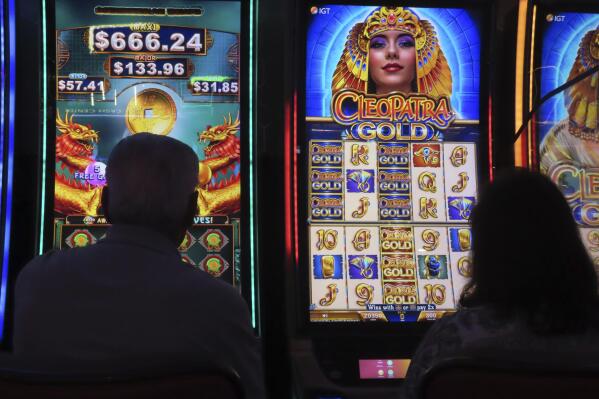
The advent of technology has significantly impacted the evolution of casinos, particularly in the late 20th and early 21st centuries. The introduction of electronic slot machines in the 1960s revolutionized the gaming experience, providing players with instant gratification and accessibility. These machines quickly became a staple in casinos, increasing revenue and attracting a broader demographic. This technological shift marked the beginning of a new era where casinos could appeal to diverse audiences, including those who might not traditionally engage in gambling.
The rise of the internet in the 1990s brought about another seismic shift in the casino landscape. Online casinos emerged, allowing players to access their favorite games from the comfort of their homes. This development expanded the reach of casinos beyond geographical limitations, fostering a global gambling community. The convenience of online gaming attracted millions, leading to an explosion of platforms offering various games, including live dealer options that replicate the casino experience.
Mobile technology further transformed the industry in the 21st century, enabling players to gamble on-the-go. The introduction of dedicated casino apps provided users with seamless access to their favorite games anytime, anywhere. This shift not only enhanced user experience but also prompted casinos to innovate continually, creating new games and experiences to keep players engaged. The blend of technology and gaming has not only redefined how casinos operate but has also reshaped the social dynamics of gambling.
The Role of Regulation and Responsible Gaming
The evolution of casinos has not been without challenges, particularly regarding regulation and responsible gaming. As the gambling industry grew, so did concerns about addiction, financial hardship, and social impacts. Governments around the world recognized the need to implement regulations to ensure fairness and transparency in gaming operations. Licensing, audits, and consumer protection measures became essential, aiming to create a safer environment for players.
In recent years, the push for responsible gaming has gained momentum. Many casinos now offer tools and resources to help players manage their gambling habits, including self-exclusion programs and deposit limits. These initiatives reflect a growing awareness of the potential risks associated with gambling and a commitment to promoting a safe gaming environment. By prioritizing responsible gaming, casinos aim to build trust and foster a more sustainable industry.
Moreover, the rise of online casinos has prompted discussions about the regulatory framework needed to govern digital gaming. As virtual platforms continue to thrive, collaboration between operators and regulators becomes crucial. This partnership aims to address issues like data protection, fair play, and responsible advertising, ensuring that players can enjoy their gaming experiences without compromising their well-being.

Discovering Online Gaming with Lotto Casino UK
In today’s digital age, Lotto Casino UK exemplifies the ongoing evolution of gaming. As a fully licensed online casino, it caters to a diverse audience of UK players by offering a wide range of slots, live dealer games, and jackpots. The platform prioritizes safety and compliance with UK Gambling Commission standards, ensuring players can enjoy their gaming experiences in a secure environment. With helpful tools to manage play, Lotto Casino UK reflects the industry’s commitment to responsible gaming.
New players are greeted with generous bonuses that include free spins, providing an attractive incentive to explore the extensive selection of games. Furthermore, a robust VIP program rewards loyal players with exclusive perks, enhancing their gaming experience. The casino’s accessibility via both desktop and mobile platforms ensures that players can engage in thrilling gaming sessions anytime and anywhere, showcasing the blend of convenience and entertainment that modern casinos strive to offer.
The evolution of casinos, from ancient gaming houses to sophisticated online platforms like Lotto Casino UK, illustrates the remarkable adaptability of this industry. As technology continues to advance, the casino landscape will likely evolve further, continually reshaping the way players experience gambling. By combining traditional elements with innovative practices, casinos will remain a vital part of entertainment for generations to come.