
The Allure of Chance: Understanding Gambling’s Psychological Pull
Gambling, at its core, taps into fundamental human desires for excitement, reward, and the thrill of the unknown. The psychological mechanisms at play are complex, often involving a delicate balance of hope, risk, and anticipation. From the simple lottery ticket to the intricate strategies of poker, the act of wagering money on an uncertain outcome generates a potent cocktail of neurochemical responses. Dopamine, often termed the “reward chemical,” is released not just upon winning, but also during the anticipation of a potential win, creating a powerful feedback loop that can be highly addictive. It is important to note that while the thrill of gambling can be enticing, responsible engagement is key, and resources like online casino information can help individuals understand the landscape better.
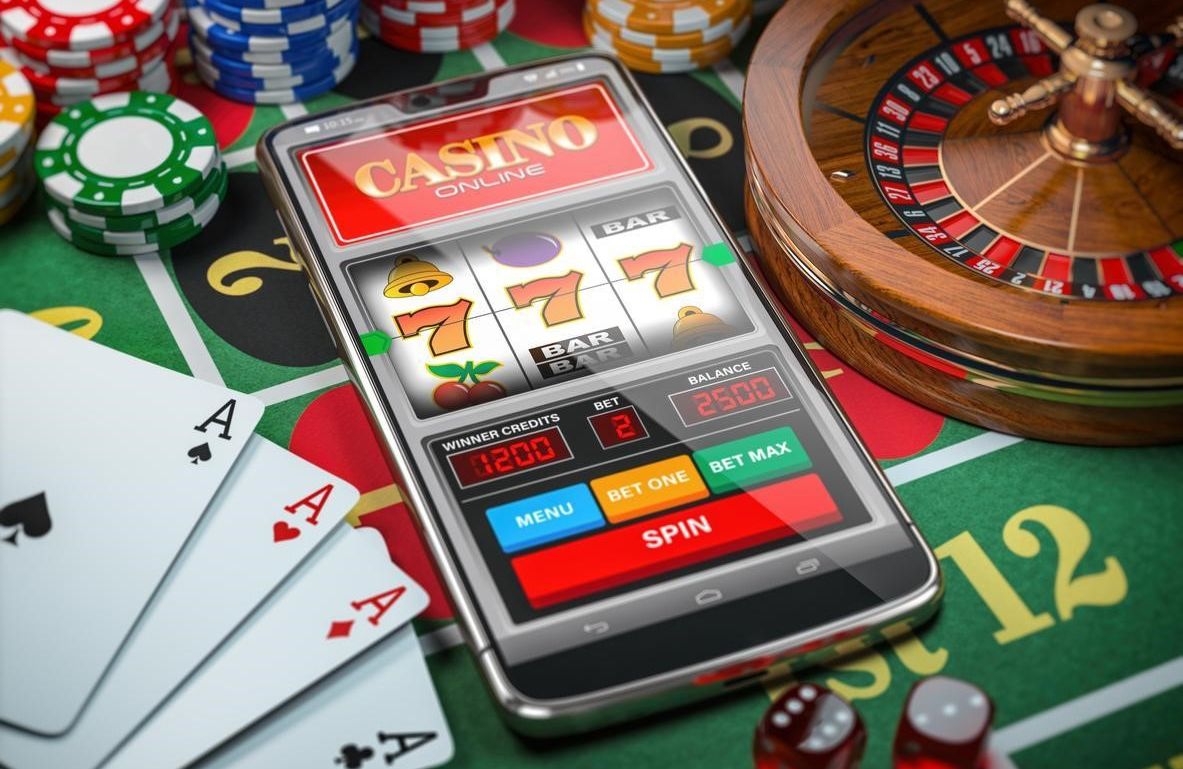
This inherent allure is carefully cultivated within the casino environment. The sights, sounds, and rituals associated with gambling are designed to heighten sensory stimulation and encourage prolonged engagement. The flashing lights of slot machines, the rhythmic spin of the roulette wheel, and the hushed tension at a card table all contribute to an immersive experience that can temporarily distract individuals from everyday concerns. Understanding these psychological triggers is crucial to appreciating why gambling holds such a pervasive fascination for many.
Cognitive Biases Shaping the Gambler’s Mind
Beyond the immediate thrill, a host of cognitive biases significantly influences how individuals perceive and engage with gambling. The “illusion of control” is a prime example, where players believe they can influence the outcome of games of chance through skill or superstition, despite overwhelming statistical evidence to the contrary. This bias can lead to increased risk-taking and a diminished awareness of the actual probabilities involved.
Furthermore, the “gambler’s fallacy,” the mistaken belief that past independent events influence future independent events, plays a substantial role. For instance, a gambler might believe that after a series of losses, a win is “due.” This flawed reasoning can perpetuate a cycle of continued betting, even when the odds remain unchanged. Recognizing these ingrained cognitive distortions is a vital step in comprehending the decision-making processes of gamblers and the deep-seated nature of these behaviors.
The Social and Emotional Dimensions of Gambling
While often viewed as an individual pursuit, gambling carries significant social and emotional dimensions. For some, it offers a sense of community, a shared experience with friends or fellow enthusiasts. It can be a form of entertainment, a way to socialize, or even an escape from stress and negative emotions. The social aspect can normalize gambling behaviors, making it appear more acceptable and less risky within certain groups.
However, the emotional consequences can be profound, especially when gambling escalates into problematic or addictive behavior. Feelings of excitement and exhilaration can quickly give way to anxiety, regret, and despair as losses mount. The shame and secrecy often associated with problem gambling can lead to social isolation, strained relationships, and severe financial difficulties. The emotional rollercoaster is a defining characteristic of the gambling experience for many.
Navigating the Landscape of Responsible Gambling Initiatives
Recognizing the potential downsides, a strong emphasis is now placed on responsible gambling initiatives. These efforts aim to educate the public about the risks associated with gambling, promote healthy playing habits, and provide support for those struggling with problem gambling. Organizations dedicated to this cause offer resources, helplines, and tools for self-exclusion and setting betting limits.
The goal is to foster an environment where individuals can enjoy gambling as a form of entertainment without succumbing to its more detrimental aspects. This includes promoting awareness of the psychological factors discussed and encouraging a mindful approach to betting. Responsible gambling frameworks are essential for maintaining the integrity of the industry and protecting vulnerable individuals. Initiatives like those promoted by Magius UK play a crucial role in this ongoing effort, striving to provide guidance and support within the gambling sphere.

Magius UK: Promoting Awareness and Support in the Gambling Sphere
Magius UK is an organization dedicated to addressing various aspects of the gambling landscape, with a focus on providing information and fostering a more aware and responsible approach. Their work likely involves educating individuals about the psychological underpinnings of gambling, the potential risks involved, and the importance of setting boundaries. By demystifying the allure and highlighting the potential pitfalls, Magius UK contributes to a more informed player base.
The organization’s commitment extends to offering support and resources for those who may be experiencing difficulties with gambling. Through their initiatives, Magius UK aims to create a safer environment for everyone involved in gambling activities. They serve as a valuable point of contact for individuals seeking guidance, understanding, or assistance, underscoring the importance of a community-focused approach to the complex world of gambling.