
So while you can mimic a traditional trade that profits as a market rise in price, you can also open a CFD position that will profit as the underlying market decreases in price. This is referred to as selling or ‘going short’, as opposed to buying or ‘going long’. CFDs offer flexibility to trade rising and falling markets with lower initial capital outlay. The same leverage that reduces the upfront requirement can also amplify losses, and costs such as spread, commission, and overnight funding can reduce the net return.
What are commodity CFDs, and why trade commodity CFDs on Deriv?
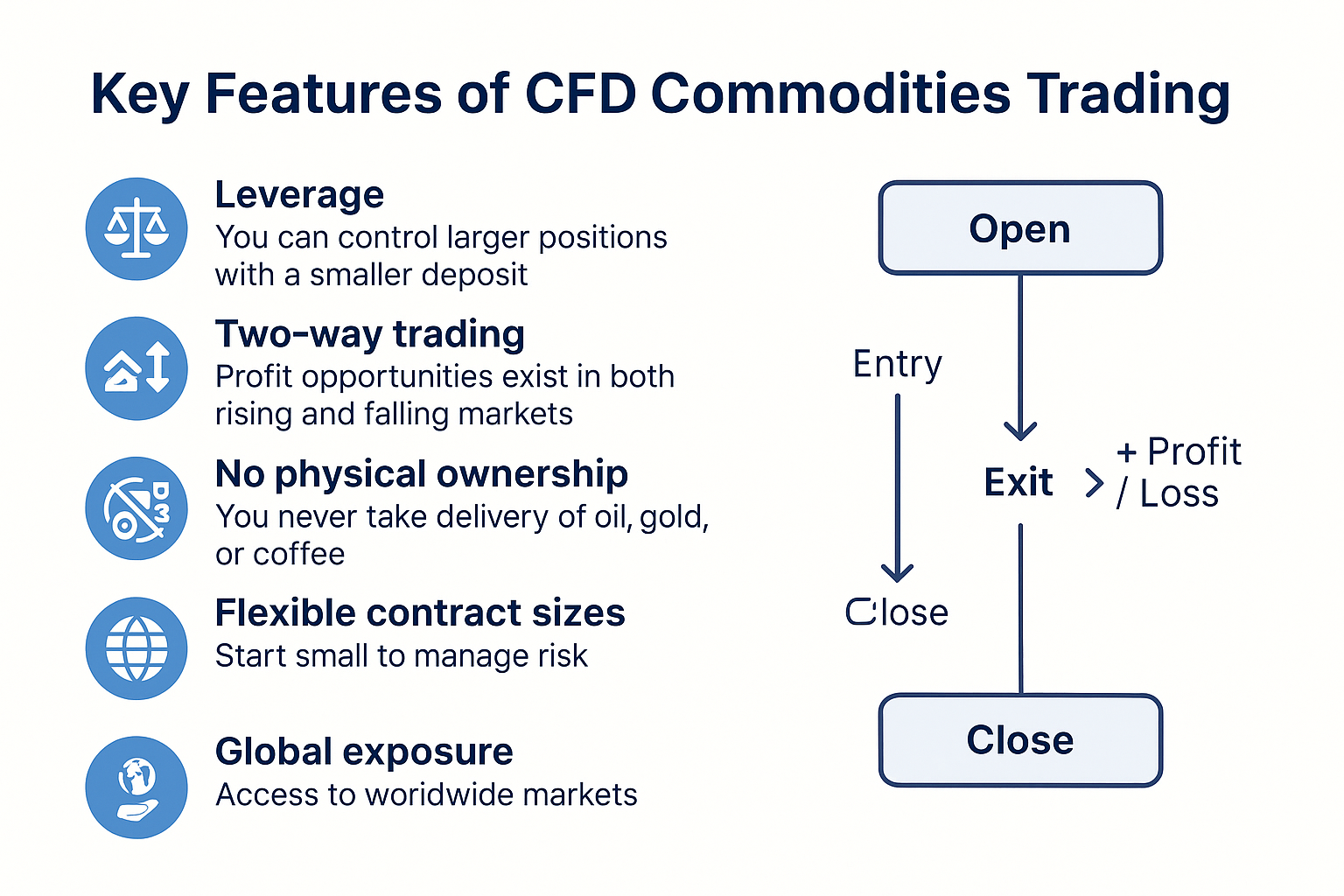
Moreover, CFDs offer leverage, which means you can control a larger position with a smaller capital outlay, unlike stocks, where you need to pay the full value upfront. CFDs are also bidirectional, which means traders can profit from both rising and falling prices, whereas stock investors traditionally benefit only when prices rise. CFDs and stocks differ fundamentally in their structure and purpose. When you buy a stock, you own a share of the company, giving you rights such as dividends and voting power.
If the market rises, then you will lose on your hedge but gain on your portfolio. Exercise caution when trading CFDs on assets that have a history of being highly volatile. Consider whether you understand how CFDs work and whether you can afford the risks that come with CFD trading. With negative balance protection, you can be sure that your account balance will be corrected if it drops below zero. If a market suddenly moves against you, the Capital.com platform can close the affected position to protect you.
Benefits and risks of trading CFDs
- When a rolling cash CFD stays open overnight, a financing adjustment may apply.
- Lastly, regularly review and learn from your trades to refine your strategy and improve your skills in CFD trading.
- As such we may earn a commision when you make a purchase after following a link from our website.
- Traders often consider volatility when selecting CFDs as it directly impacts a trade’s potential risk and reward.
- Not owning the underlying asset can enable traders to utilise some interesting functionality features.
- CFD trading is secure nowadays due to several factors, including regulation, trader education, and the reliability of the trading platform.
In layman’s terms, forex trading is the is fxverge safe exchange of one currency for another at a predetermined exchange rate. Forex CFD (FX CFD) is a form of Contract for Differences (CFD) that allows you to participate in the price movements of the underlying forex pair. Any financial investment involves risk, and CFDs are no different.
What markets can traders access with CFDs?
Capital.com provides access to thousands of different CFD assets across these classes, so you are only a few clicks away from trading the world’s most popular markets all in one place. CFD traders benefit from price movement without storage, delivery, or ownership complications, which is particularly relevant in commodities such as gold, oil, or coffee. The more the market moves in line with your prediction, the more profit you’ll make. Conversely, the more the market moves against you, the more you’ll lose. This is to cover the cost of maintaining your position over the longer term – as you’re trading on leverage.
CFDs behave similarly to their underlying market
The profit or loss on a CFD trade is the difference between the opening and closing prices of the contract, multiplied by your position size. CFD stands for ‘contract for difference’ and lets you speculate on an asset’s price movement without owning the underlying asset. Your profit or loss is based on the difference between the price when you open the trade and the price when you close it. Find out how CFD trading works, its potential advantages and risks, and how to open a CFD trading account.
Your free Conquer CFDs eBook is waiting
By contrast, CFDs are derivative instruments that let you speculate on price movements without owning the underlying asset. When you buy stocks, you can only make a profit when markets rise. However, when you trade a CFD, you can speculate on price movements in either direction. This is known as going “long” (if you think prices will rise) or “short” (if you think markets will fall). And if you think prices will fall, this is known as going “short”. It is important to note that CFDs are settled upon closure of the position and trading costs can be spread based, commission based, or a combination of the two.
CFD demo account
This flexibility makes CFDs a popular tool for speculation and hedging, but it also introduces specific risks, especially if markets move sharply against your position. Your broker can make a big difference in how your trading experience will be. Look for a properly regulated broker with tight spreads, good execution, and reasonable customer service. Ensure that your broker offers negative balance protection so that you do not owe more money than your balance. Some brokers charge commissions on CFD trades, especially stock CFDs.
Learn how CFD profit and loss works
Choose a regulated broker that is overseen by recognized authorities, such as the FCA, CySEC, or ASIC, to ensure your funds are protected. A regulated broker ensures that client funds are protected, offers clear pricing, and provides fair trading conditions. This method enables speculation on an asset’s price without actually owning it. You agree with your broker to exchange the difference between the asset’s opening price and its closing price. This adjustment takes place on the ex-dividend date for the CFD account.
A contract for difference (CFD) is:
However, there are risks you might face for engaging in CFD trading. Trading CFDs allows you to speculate on shares, indices, cryptos, commodities, forex, and more. Learn what is CFD trading and how does it work with our step-by-step guide for beginners.
When you sell short, rather than go long on a CFD position, you will profit if the price of the underlying asset falls. When you have found the right broker, it can be tempting to jump straight in. However, avoid the temptation and start practicing first on a demo account.
Instead of buying shares, commodities, or currencies directly, you enter into an agreement with a broker to exchange the difference in price between the opening and closing of a position. It’s crucial to understand that in CFD trading, you don’t actually own the underlying asset; instead, you’re speculating on its price movement. This guide delves into the mechanics of CFD trading, offering insights into effective trading strategies, the inherent risks, eligibility criteria for traders, and essential terminology. CFDs are available across a broad range of global financial markets, which means a single instrument type can provide exposure to very different underlying assets. Instead of owning these markets directly, the CFD tracks their price movements. The main asset classes available include shares, forex pairs, indices, commodities, cryptocurrencies, and other instruments such as ETFs and bonds.
Advantages of CFD trading
Instead, you enter into a contract with a broker on the price development of the stock based on how you think the price of the stock will eventually move, up or down. The price of the CFD is based on the value of the underlying asset. With CFD trading, you can short-sell the market in order to hedge against this downtrend possibility. If the market slides, what you lose on your portfolio may be offset by the gain from your short hedge.
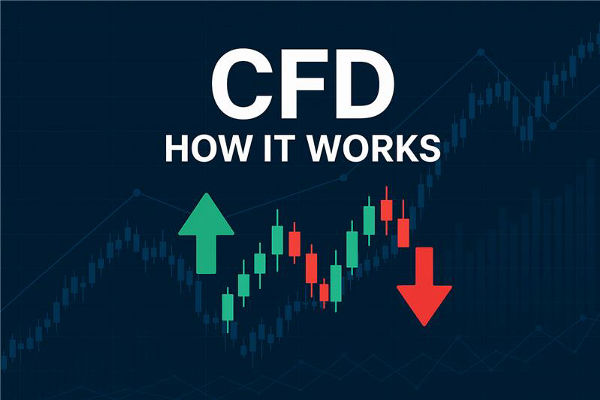
While it shares risk and speculation attributes with gambling, CFD trading is based on financial strategies and market analysis, distinguishing it from pure gambling, which relies on chance. However, without proper risk management, trading can resemble gambling in its potential for loss. CFD trading involves contracts that pay the difference between the opening and closing prices of an asset. Spread betting, on the other hand, is a form of wager on the direction of an asset’s price movement.