
The evolution of gambling a journey through time and culture
Origins of Gambling in Ancient Cultures
The roots of gambling can be traced back to ancient civilizations, where various forms of chance games played pivotal roles in social and cultural activities. Archaeological findings suggest that the Chinese engaged in rudimentary gambling as early as 2300 BC, often using tiles to play games of chance. Similarly, the Babylonians were known to gamble on the outcomes of events, including the results of their own military campaigns, reflecting a deep-seated cultural affinity for risking fortune. Today, many people still enjoy gaming experiences, with platforms like don bet offering exciting options.
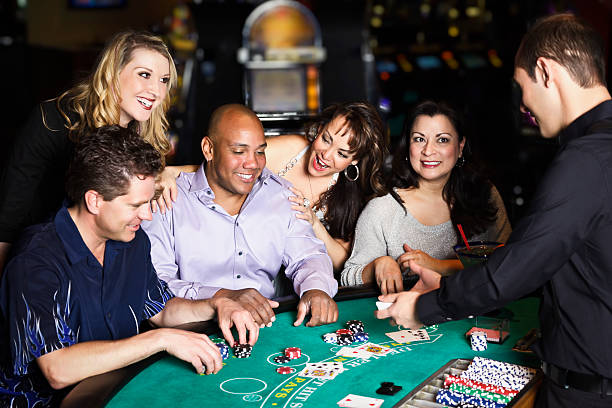
In ancient Rome, gambling became a staple of social life, particularly during festivals and public games. Citizens placed wagers on gladiatorial contests and chariot races, highlighting the intersection of entertainment and chance. This deep-rooted practice not only provided amusement but also served as a significant social bonding activity among participants, fostering community ties in an era when leisure was closely tied to public life.
The spiritual dimensions of gambling also played a crucial role in its evolution. In many ancient cultures, games of chance were believed to be influenced by the gods. For instance, the Greeks often attributed victories in gambling to divine intervention, making the act not just a game of chance but a ritualistic practice that could sway fortune in favor of an individual. This blending of spirituality and chance laid the groundwork for gambling’s enduring popularity across diverse cultures.
Gambling Through the Middle Ages
The Middle Ages marked a significant transformation in gambling practices, as new games emerged and became institutionalized. As feudal societies evolved, so did the complexities of gambling, with the introduction of card games around the 14th century. These games, initially played by the elite, gradually trickled down to the masses, establishing a foundation for the gambling culture that would flourish in the Renaissance.
Casinos as we know them today began to take shape during this period, particularly in Italy. The Venetian Casino, established in the early 1600s, was one of the first to offer a structured gambling environment. This institution not only formalized the act of betting but also provided a social hub where individuals from various backgrounds could gather, placing wagers and enjoying entertainment in a regulated atmosphere.
Throughout the Middle Ages, gambling was often met with scrutiny by religious authorities who viewed it as a vice. However, despite attempts to suppress the practice, it remained deeply ingrained in society. The tension between religious beliefs and the allure of chance games created a complex narrative that further enriched the cultural tapestry surrounding gambling, revealing its multifaceted role in human society.
The Rise of Modern Gambling Practices
The Enlightenment era brought about a radical shift in attitudes toward gambling, paving the way for modern practices. As rational thought gained prominence, gambling began to be seen not merely as a vice but as an opportunity for economic gain. The establishment of state lotteries in the 17th century, for instance, showcased how governments could regulate and profit from gambling activities while also funding public projects.
The industrial revolution further transformed gambling, as urbanization led to the creation of new venues and opportunities for betting. Betting on horse races became particularly popular, and the establishment of race tracks provided an organized structure for wagers. This era also saw the emergence of betting shops, making gambling more accessible to the general populace and normalizing the practice within everyday life.
With the advent of technology, gambling evolved yet again. The introduction of mechanical slot machines in the late 19th century marked a technological innovation that attracted a new wave of gamblers. This period highlighted the balance between skill and luck, as machines like these offered a purely chance-based experience, contrasting with skill-based games like poker. The allure of the one-armed bandit soon captured the imagination of many, solidifying gambling’s place in modern culture.
Digital Revolution and Online Gambling
The late 20th century marked the dawn of the digital revolution, forever changing the landscape of gambling. The emergence of the internet in the 1990s opened new doors for the gambling industry, leading to the establishment of online casinos. These platforms allowed players to experience their favorite games from the comfort of their homes, drastically altering the way gambling was perceived and conducted.
Online gambling sites have developed sophisticated algorithms that enhance player engagement, incorporating elements of skill and luck in various games. Live dealer options emerged, offering real-time interaction with dealers and other players, creating a more immersive experience. This shift has not only made gambling more accessible but also more appealing to a broader audience, including younger generations who prefer digital interaction.
As technology continues to evolve, so do the methods of gambling. Mobile gambling apps have taken the industry by storm, allowing players to place bets anytime and anywhere. This accessibility has democratized gambling, but it has also raised concerns about responsible gaming. With features like rapid betting and instant gratification, the industry is challenged to ensure player safety while maintaining the thrill of the game.
The Future of Gambling and Responsible Gaming
The future of gambling is poised for further transformation as technology continues to advance. Innovations like virtual reality are beginning to shape how players interact with gambling environments, offering immersive experiences that mimic physical casinos. This evolution could potentially attract a new generation of gamblers seeking novel and engaging ways to place their bets.
However, the industry faces pressing challenges regarding responsible gaming. With the ease of access provided by online platforms and mobile apps, the potential for gambling addiction has increased. Operators are now prioritizing player safety by incorporating tools for self-exclusion, limits on betting amounts, and providing resources for those in need. The emphasis on responsible gaming reflects a growing awareness of the need to balance enjoyment with safety.
As cultures around the world continue to evolve, so too will the norms and regulations surrounding gambling. The ongoing dialogue about the ethical implications of gambling practices will likely shape legislation and operational guidelines, ensuring that gambling remains a form of entertainment while addressing the societal impacts it can have. This dynamic interplay between culture, technology, and responsibility will define the future of gambling.

DonBet Casino: A Modern Gaming Experience
DonBet Casino exemplifies the modern evolution of gambling, offering a comprehensive platform for enthusiasts across various gaming preferences. With over 2,500 games including slots, table games, and live dealer options, players can explore a myriad of experiences all under one roof. This accessibility reflects the industry’s commitment to providing diverse options for both casual and seasoned players.
The emphasis on user safety is paramount at DonBet Casino, employing SSL encryption and responsible gambling tools to ensure a secure environment for all participants. This commitment not only fosters trust but also aligns with the industry’s growing emphasis on player protection. With features like fast payouts and mobile access, the casino is designed to meet the needs of modern gamers who value convenience.
Furthermore, the generous welcome bonus of 150% up to £750 and 50 free spins makes DonBet Casino an appealing choice for newcomers. By combining a rich gaming experience with strong customer support and a focus on responsible gambling, DonBet Casino stands out as a leader in the ever-evolving landscape of online gambling.